
German bond yields spike amid fears of global fuel shortages and ECB rate hikes to 2.75%
Falling oil refiner capacities threaten winter fuel supplies in the third quarter, while Deutsche Bank raises its European Central Bank rate hike target to 2.75%. Rising energy costs and geopolitical risks continue to pressure inflation across the euro zone.
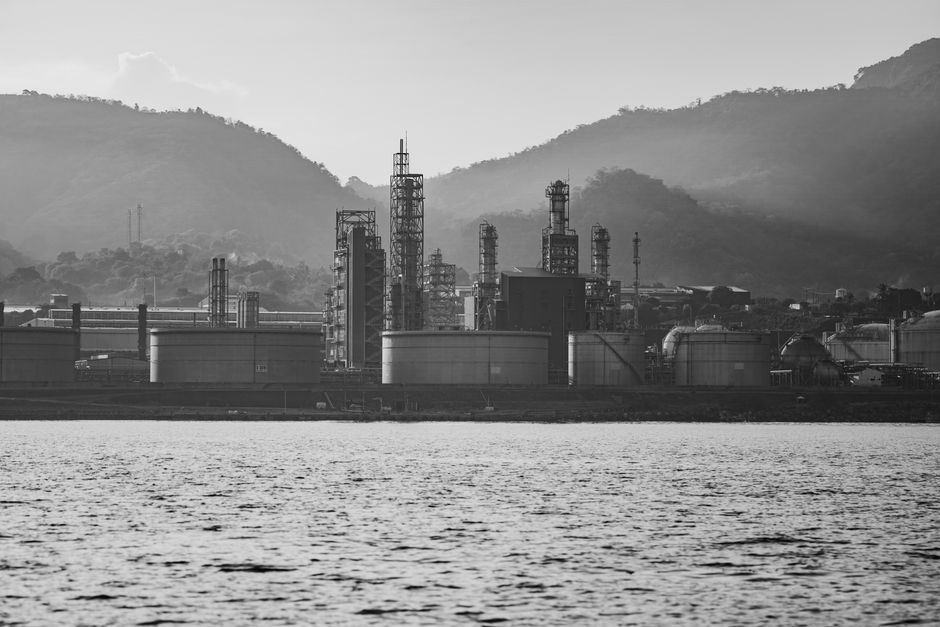
Global fuel supply chains face a critical bottleneck as crude oil production cuts by China and ongoing conflicts disrupt refinery operations and shipping routes ahead of the third quarter. Refined products, including diesel used for ships and power plants, have surged in price while crude benchmarks remain relatively stable. Distilleries in Russia and the Middle East report pressure from attacks on infrastructure and restricted navigation, forcing prioritization of diesel output over marine fuel. These supply constraints threaten to raise shipping costs and energy bills for transport and utility companies worldwide.
Market reactions mirror this anxiety regarding inflation. Deutsche Bank has revised its forecast for the European Central Bank's deposit facility rate, citing persistent energy-related risks that could push the terminal rate to 2.75% by December. This represents an adjustment from a previous peak expectation of 2.5%. The bank noted that prolonged conflict with Iran remains a significant upside risk to inflation, although wage growth evidence has been limited so far. Broader price pressures are expected to keep borrowing costs elevated in the euro zone for an extended period.