
Brent crude hits $100.95 as Middle East tensions spike global stock losses
Oil futures breached the $100 barrier amid regional conflict, while China's oil demand forecasts a further drop to 8.9% by 2026 due to electrification.

Brent crude futures climbed to $100.95 per barrel on Wednesday, becoming the first time this level was reached since late July. Iran fired ballistic missiles at a U.S. base in Jordan, and both nations claimed to have attacked vessels, fueling fears over energy supply disruption through the Strait of Hormuz. These geopolitical events pushed global stock markets lower ahead of key central bank decisions. The pan-European STOXX 600 index fell 1.5%, while U.S. stock index futures declined by half a percent.
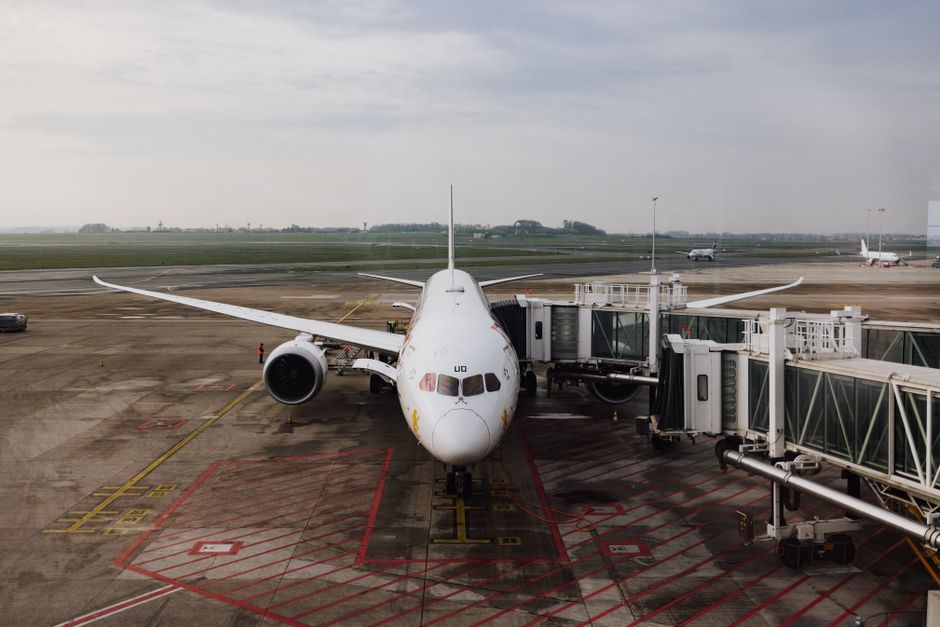
In contrast, China's domestic oil demand outlook remains bearish for the coming year. Sinopec Group projected a contraction of 600,000 barrels daily in 2026, representing an 8.9% annual decline. Analysts from the institute attributed this to higher fuel costs and increased electric vehicle adoption, noting that jet fuel demand would actually rise by 1.3%. This marks a third consecutive year of falling consumption for the world's largest crude importer. The International Energy Agency separately noted that electric vehicles displaced approximately one million barrels daily in China during 2025.
Manish Kabra, a strategist at Societe Generale, commented on the psychological significance of the price level. He stated that while $100 is a round number, developed market break-even points are much higher. He suggested crude must reach $150 to significantly impact demand cycles. However, he cautioned that rising diesel prices could negatively affect other sectors regardless of oil margins.