
The World Bank pledges $12 billion annually for food security in the region
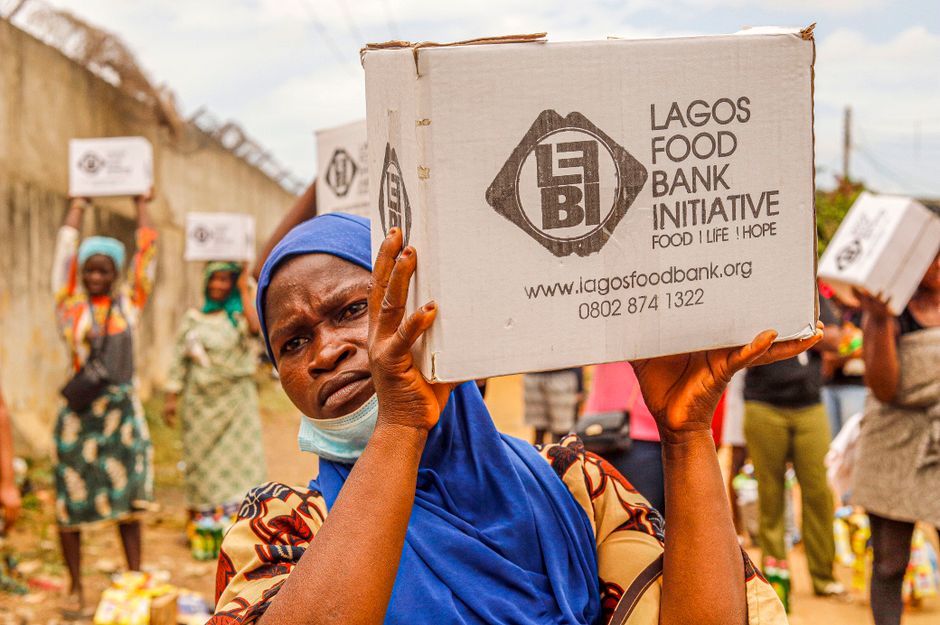
Food insecurity has evolved from a scarcity issue into a major economic test for the Middle East, North Africa, and Afghanistan. The World Bank estimates that over 142 million people lack access to healthy food, with demand expected to rise by 67% by 2050.
The Middle East, North Africa, and Afghanistan are facing a severe food insecurity crisis affecting more than 142 million people. Currently, 42 percent of the population in these areas cannot afford a healthy diet. The World Bank states that food security is no longer just about the availability of food on tables; it now tests the region's ability to manage limited resources, diversify trade, attract investment, and handle geopolitical and climate shocks. Demand for food is expected to rise by 67 percent by 2050. To meet this demand, the World Bank argues that regional resource management must change, particularly regarding water. The organization estimates the area needs approximately $12 billion annually to improve irrigation efficiency and innovate agriculture without depleting natural resources.