
South Africa's economy shrank 0.2% in Q2 after years of growth
Africa's largest economic sector entered its first recession in two years due to mining, trade, and manufacturing declines driven by global energy disruptions.
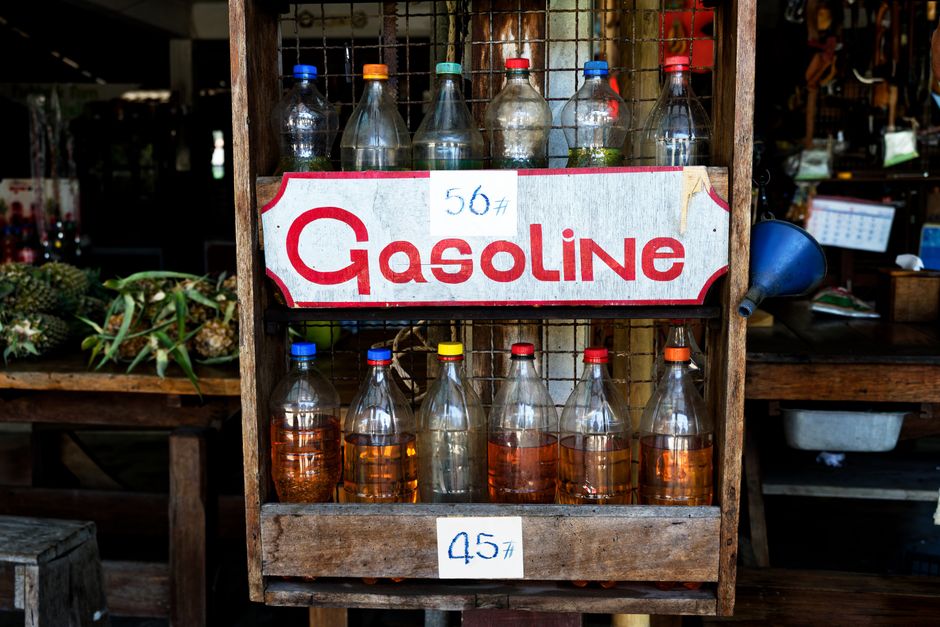
Statistics South Africa revealed that the country contracted 0.2 percent in the second quarter. This marks the first annual decline since Q1 2023, which grew 0.4 percent. The statistical agency revised the first quarter's growth down from 0.5 percent to 0.4 percent. Economists expected a slight contraction rather than this 0.2 percent drop. The recession resulted from production side declines in mining, trade, and manufacturing. Expenditure side constraints included higher imports and weaker capital formation. These factors stem from the conflict involving Iran that began February 28. Disruptions around the Strait of Hormuz raised crude oil and agricultural input prices. Brent crude reached $118 per barrel in April according to US data. A ceasefire on June 17 did not fully resolve tensions or prevent intermittent attacks. The uncertainty remained high through Q2, challenging South Africa's six-quarter expansion record.