
UN report warns small businesses face greater risks from Ormuz strait disruptions than large firms
Small and medium enterprises bear heavier costs from the conflict near the Strait of Hormuz. Global oil prices rose back to mid-July levels after months of calm.
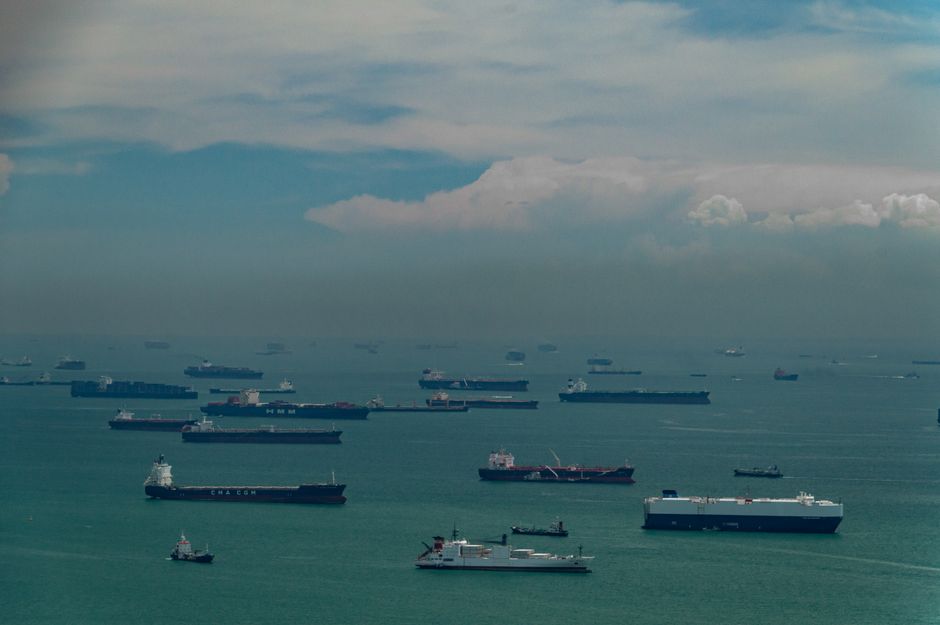
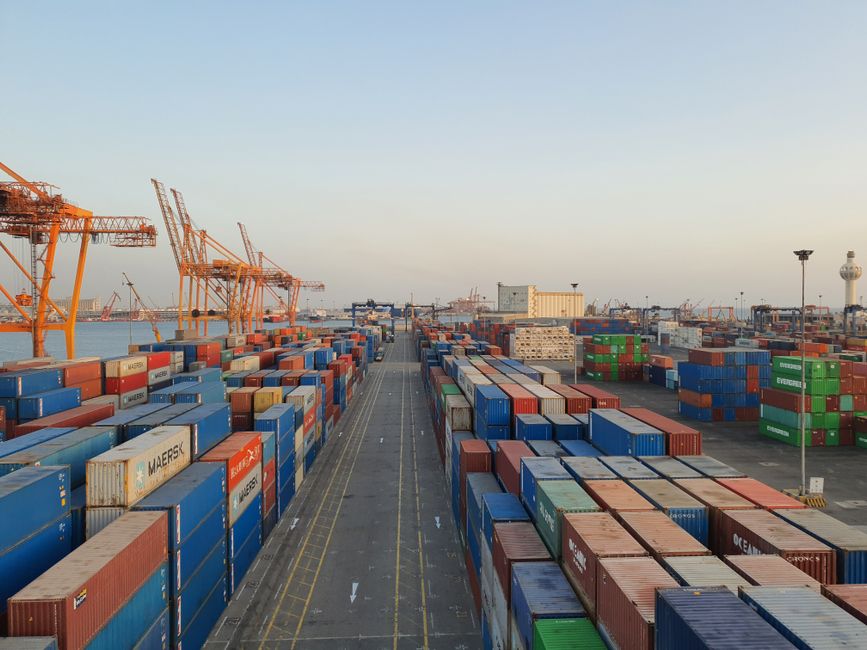
The United Nations Conference on Trade and Development issued a report stating that interruptions in the Strait of Hormuz disproportionately affect small and medium-sized enterprises (SMEs). These firms face higher burdens regarding energy costs, freight tariffs, insurance premiums, and financing restrictions compared to large corporations. Large companies can diversify suppliers and markets more easily, leaving SMEs more vulnerable. According to UN data, SMEs represent approximately 90% of global businesses, 70% of jobs, and 50% of the world GDP. The report warns these disruptions could trigger chain reactions beyond maritime routes. Recent conflicts in the Persian Gulf between the United States and Iran resumed after a calm August, causing global crude oil prices to return to levels not seen since July.