
Iran vows strike on energy infrastructure as oil prices hit six-week high of $97.13
Oil futures climbed to their highest level since July 24 after Iran threatened retaliation against Western assets in the Middle East.

International markets reacted sharply to escalating tensions between the United States and Iran on Monday. Oil prices rose to a six-week high as fears grew regarding a potential conflict involving global energy infrastructure. Brent crude futures closed at $97.13 per barrel, an increase of 85 cents or 0.9 percent from previous trading levels. West Texas Intermediate crude reached $92.63 per barrel, marking a 1.3 percent gain. Prices had previously surged to $98.06 per barrel but retreated slightly by the afternoon session close.
Iranian Parliament Speaker Mohammad Baqer Qalibaf declared on Monday that if U.S. forces strike Iranian assets, Tehran would respond by destroying energy facilities across the Middle East. This statement followed warnings from Defense Secretary Pete Hegseth describing Iran's oil fleet as defenseless. Earlier this year, U.S. and Israeli forces attacked Iran on February 28. Intelligence firm Marisks noted that the two nations have traded strikes on tankers and warships over the weekend.
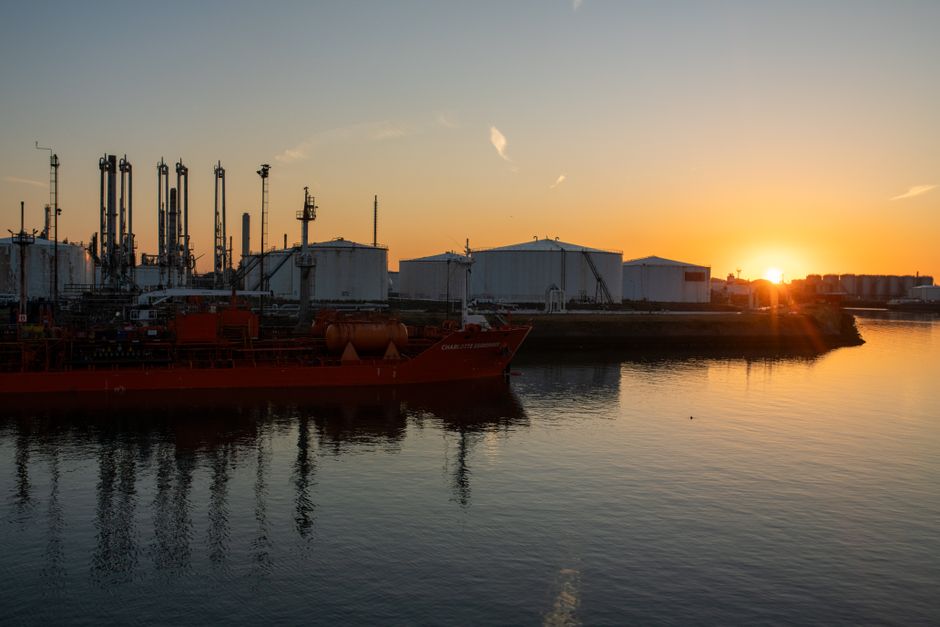
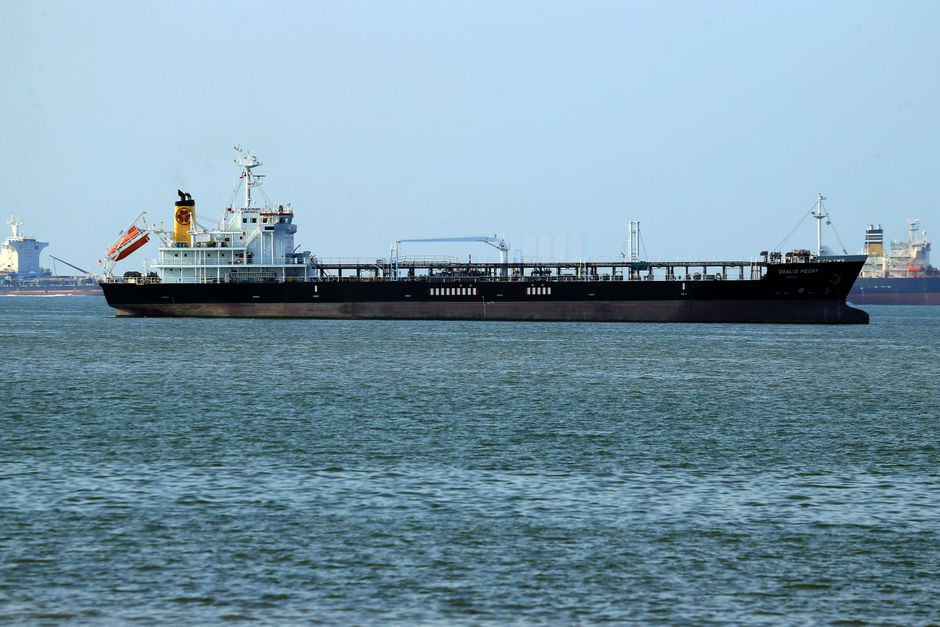
The situation represents a major shift in how commercial shipping is perceived during military confrontations. Experts indicate that tankers are now being used deliberately to apply economic pressure, blurring the line between military warfare and commercial activity. The United States and Iran have exchanged blows involving maritime vessels throughout the recent period.