
Arctic ice melt enables shorter Asia-Europe shipping routes
Chinese and South Korean freighters began using the Northwest Passage earlier this year, reducing transit times from 40 days to 20 to 22 days. Shipping rates for the route have approximately doubled compared to 2025.
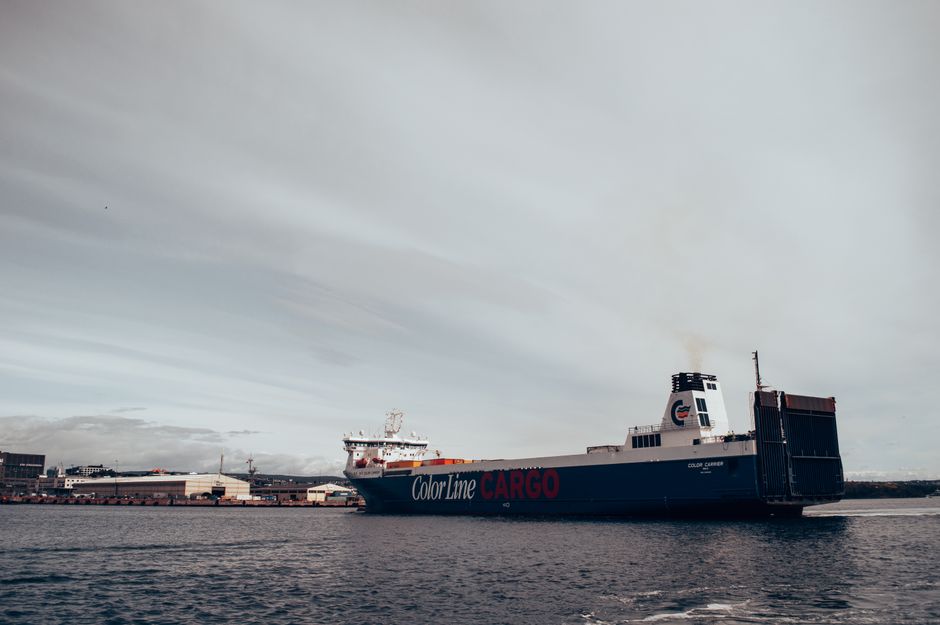
Commercial vessels are increasingly utilizing the melting Arctic sea ice as a viable alternative for shipping between Asia and Europe. Chinese and South Korean cargo ships used the Northern Sea Route to reach the United Kingdom in August, taking advantage of expanded Russian infrastructure for oil exports. This route follows the Russian coastline and shortens the journey relative to alternatives through the Suez Canal or Cape of Good Hope. According to Sea Legend, specific itineraries can now take 20 to 22 days via the Arctic instead of approximately 40 days via Suez. The time difference reduces the period cargo remains in transit and lowers capital required for inventory storage. However, costs remain higher. According to EFE, shipping rates practiced by Sea Legend during the 2026 season are approximately twice the values charged during its first test voyage in 2025. Sea Legend scheduled eight departures between August 15 and October 3 this year, with seven ships designated for operation. The first two voyages were complete and transported mainly industrial products and equipment related to energy transition.