
Deutsche Bank wins first European yuan clearing role as trade flows drive currency rise
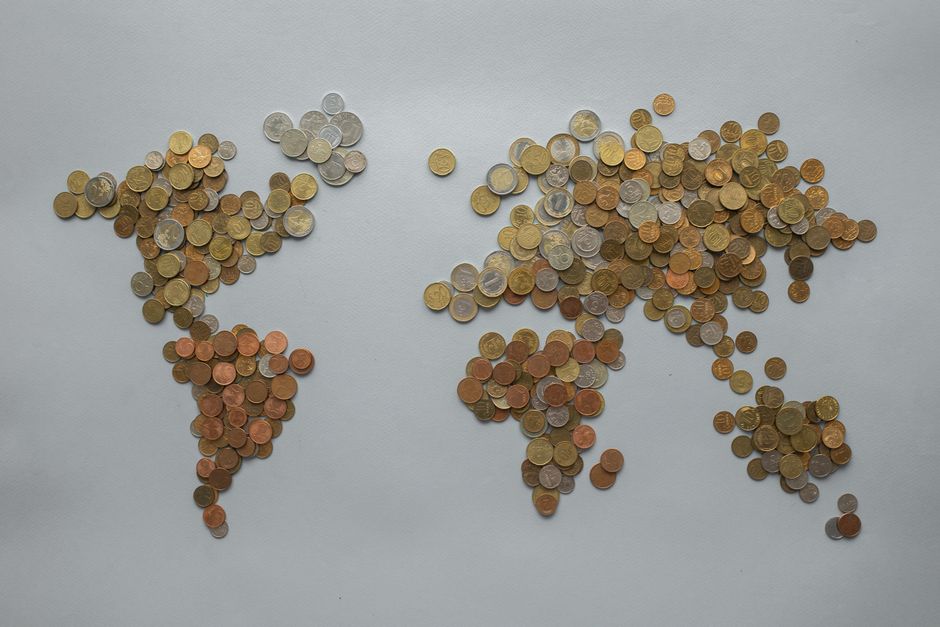
A senior Deutsche Bank executive attributes the yuan's global growth to shifting supply chains rather than political rivalry. Industry leaders argue expanding the currency in Central Asia reduces risks for infrastructure firms.
Konrad Haunit, head of multinational corporate coverage for the Asia-Pacific, Middle East and Africa at Deutsche Bank, stated that the use of the renminbi has grown steadily over the past five years due to evolving business models and supply chains. This assessment follows the People's Bank of China's decision last month to designate Deutsche Bank as Europe's first foreign yuan clearing bank. The appointment provides the lender with direct clearing and settlement capability for cross-border yuan transactions in Frankfurt, complementing existing operations in Hong Kong, Singapore, and London. Haunit described the move as hugely important for supporting the long-term growth of the offshore yuan ecosystem.
Speakers at an investment panel held during the Belt and Road Summit in Hong Kong also highlighted opportunities for expanding yuan usage in Central Asia. Long Jisheng, chairman and CEO of SUS Environment, a Shanghai-based waste management firm with operations in five Central Asian countries, noted that smoother access to the renminbi lowers risks associated with currency exchanges against the US dollar. He emphasized the need for a closed-loop financial system denominated entirely in yuan to cover investment, financing, procurement, and returns within this sector.