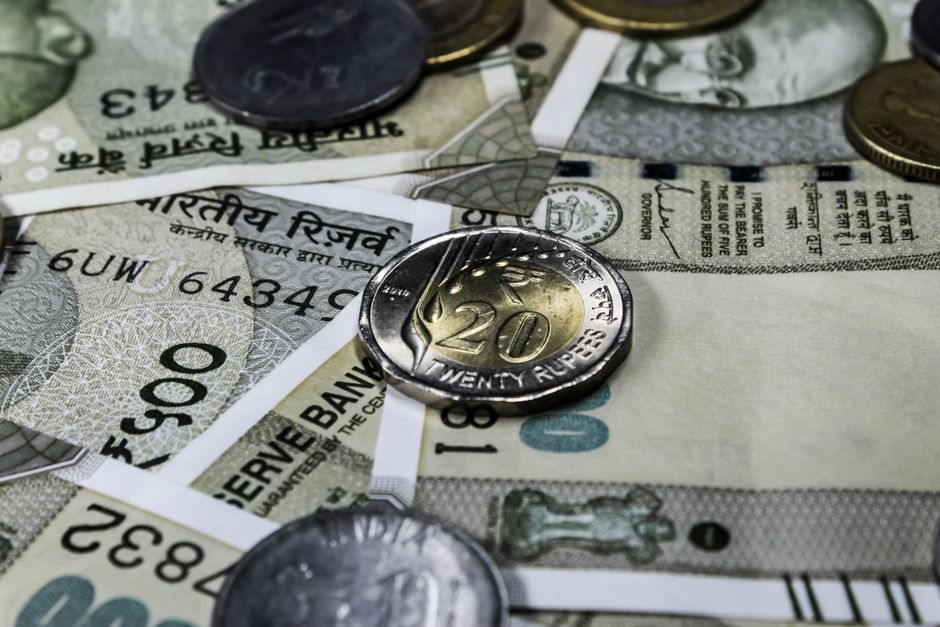

Central Asia's yuan expansion lowers import risks for Chinese firms
Chinese infrastructure companies face lower currency risks if they use the yuan for trade in Central Asia, a region hosting over 11,000 capital-linked enterprises.
Speakers at an investment panel in Hong Kong argued that expanding the use of the Chinese yuan in Central Asia would reduce costs and risks for infrastructure firms. This discussion took place during an event focused on the internationalization of the renminbi at the Belt and Road Summit. Long Jisheng, chairman and CEO of Shanghai-based SUS Environment, noted that most of the company's equipment is manufactured in China and shipped to Central Asia. He stated that exchange-rate fluctuations could wipe out profits entirely given razor-thin margins in the infrastructure industry. To resolve this, Long said Chinese enterprises needed a closed-loop financial system fully denominated in yuan, spanning investment, financing, procurement and returns. The five-country region has captured global attention because of its untapped mineral resources. According to the Yorktown Institute, more than 11,000 enterprises with Chinese capital operate there. Smoother access to the yuan would lower risks inherent in currency exchanges, particularly when the more internationalised US dollar is trending strong.