

£24bn annual subsidy from public money to profitable banks is questioned
A letter argues that paying 3.75% interest on £640bn of reserves costs taxpayers £24bn annually and suggests stopping the scheme would control lending rates better without such expense.
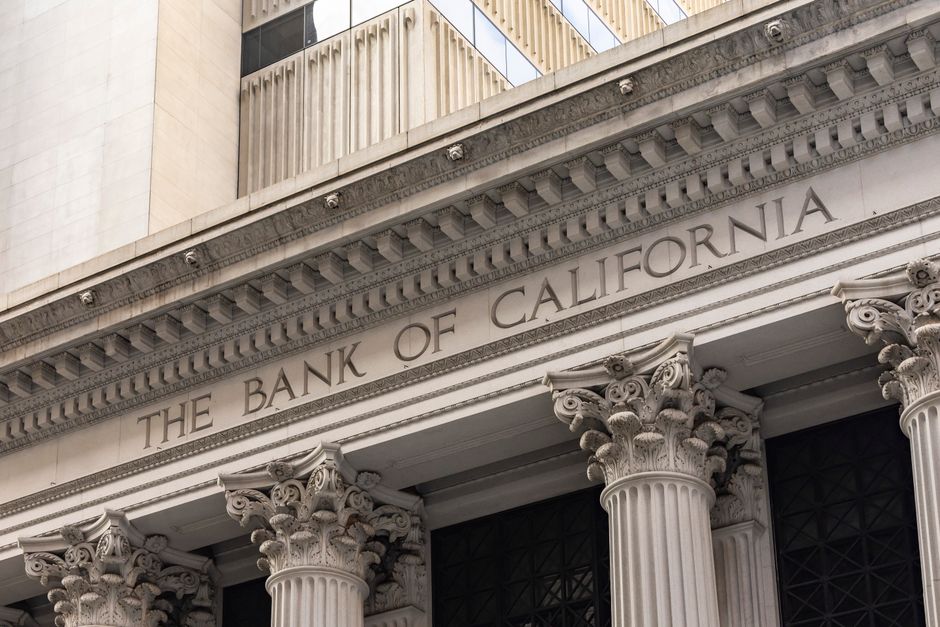
Critics argue the current system requires no new taxes to address bank profits, claiming it merely stops a massive existing subsidy. The Bank of England holds reserve deposits for commercial banks and pays its policy interest rate on the entirety of those reserves. Paying 3.75% on approximately £640bn means handing over £24bn a year of public money to profitable commercial concerns. The Bank uses this payment to control the banks' lending rates by establishing a floor. However, proposals suggest stopping the subsidy would allow for more economic control while saving more than £19bn a year through a revised tranche system. The letter notes the Bank of England never paid commercial banks interest on reserves before 2006. When raising rates, the Bank generally increases profits by allowing banks to charge customers above competitive levels. Paying out additional public money beyond policy requirements is described as extravagant and revealing an irresponsible attitude toward public funds.